
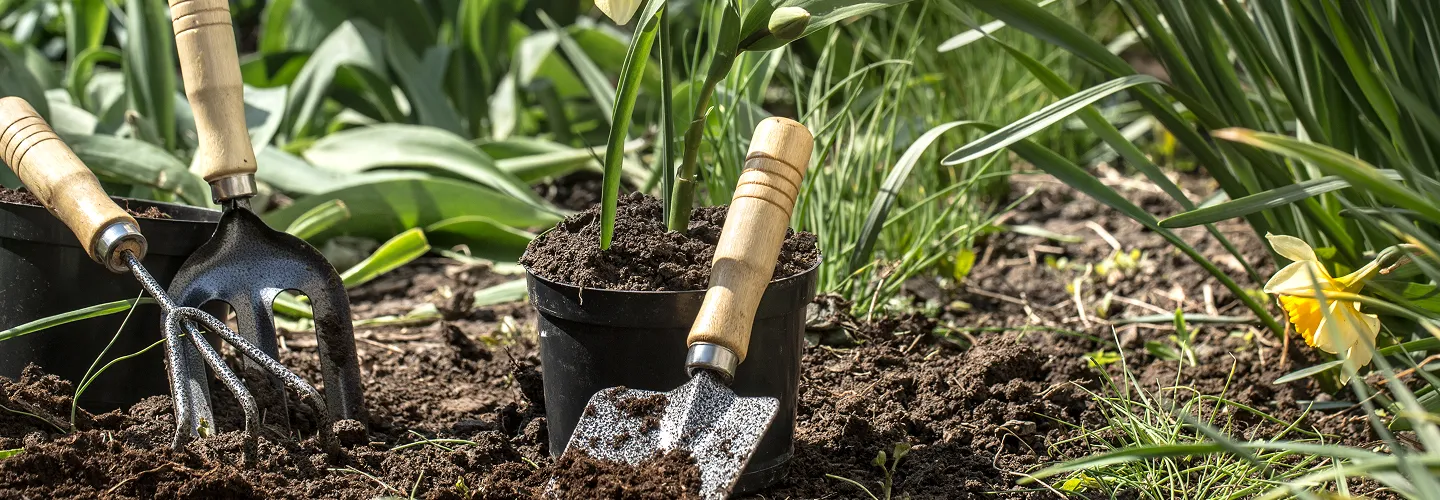
Villa Rica Flower Planting Services
Choose our flower planting services for vibrant, expertly arranged blooms that enhance your curb appeal and thrive in every season—bringing lasting beauty and value to your home.
Get a Free QuoteOur Villa Rica Landscaping & Yard Care Services
When to Schedule Flower Planting in Villa Rica, Georgia – Seasonal Guide
Flower planting in Villa Rica, Georgia, is best scheduled with careful attention to our region’s unique climate and landscape. The ideal planting windows are typically early spring, after the last frost date in late March, and early fall, when temperatures begin to cool but the soil remains warm. These periods allow flowers to establish strong roots before the heat of summer or the chill of winter sets in. Neighborhoods like Mirror Lake and Fairfield Plantation often see vibrant blooms when planting is timed to these local conditions.
Villa Rica’s weather patterns—marked by humid summers, occasional droughts, and variable shade from mature tree canopies—play a significant role in determining the best planting times. Soil composition varies across the area, with some properties near Tanner State Park featuring clay-heavy soils that require amending for optimal flower growth. It’s also important to consider local guidelines and resources, such as those provided by the City of Sudbury, to ensure compliance with any municipal landscaping restrictions.
Local Factors to Consider for Flower Planting in Villa Rica
- Proximity to large trees and resulting shade coverage
- Soil type and drainage, especially in neighborhoods with clay-rich ground
- Average precipitation and risk of summer droughts
- Frost dates and seasonal temperature swings
- Terrain slope and potential for water runoff
- Municipal landscaping restrictions or HOA guidelines
Benefits of Flower Planting in Villa Rica
Enhanced Curb Appeal
Increased Property Value
Expert Plant Selection
Seasonal Color Variety
Low Maintenance Solutions
Eco-Friendly Landscaping
Villa Rica Flower Planting Types

Annual Flower Beds
Seasonal color with vibrant annuals for dynamic landscape displays.
-
Perennial Gardens
Long-lasting blooms that return year after year for low-maintenance beauty.
-
Native Plant Installations
Eco-friendly choices that thrive in Villa Rica’s climate and support local wildlife.
-
Shade Garden Plantings
Specialized flower selections for areas with limited sunlight.
-
Pollinator-Friendly Gardens
Flower beds designed to attract bees, butterflies, and other pollinators.
-
Container Flower Arrangements
Versatile and movable flower displays for patios, decks, and entryways.
-
Rock Garden Flowers
Hardy flowering plants suited for rocky or sloped landscape features.
Our Flower Planting Process
Site Evaluation
Soil Preparation
Plant Selection
Careful Planting
Watering and Mulching
Why Choose Villa Rica Landscape Services
-
Villa Rica Homeowners Trust Us
-
Expert Lawn Maintenance
-
Reliable Scheduling
-
Competitive Pricing
-
Professional Team
-
Satisfaction Guarantee
-
Personalized Service
Planting Windows and Seasonal Timing for Villa Rica's Piedmont Climate
Villa Rica, Georgia, falls within USDA Hardiness Zone 7b, situated in the Piedmont region where warm, humid summers and mild winters define the growing calendar. For flower planting, the primary spring window runs from mid-March through May, once soil temperatures consistently exceed 50°F and the risk of late frost has passed — typically after March 15 in Carroll County. A secondary fall planting window from mid-September through October supports cool-season annuals such as pansies, snapdragons, and ornamental kale. Summer heat and humidity, with average July highs near 90°F, can stress newly established transplants, making early morning planting and consistent irrigation critical during June through August. According to UGA Cooperative Extension, Georgia Piedmont gardeners should prioritize heat-tolerant species such as zinnias, lantana, coneflowers, and black-eyed Susans for summer beds. Monitoring local conditions through the National Weather Service Peachtree City forecast office supports accurate planting decisions throughout the season.
Villa Rica's Red Clay Soils and Bed Preparation for Flower Planting
Soils in Villa Rica are predominantly Piedmont Ultisols, including the Cecil and Appling series — dense, acidic red clay loams with pH values typically ranging from 5.0 to 6.0. These soils drain slowly when compacted and can form a hard surface crust that restricts root penetration for newly planted flowers. Effective bed preparation requires:
- Tilling to a minimum depth of 8–10 inches to break compaction layers
- Incorporating 3–4 inches of organic matter such as compost or aged pine bark to improve drainage and aeration
- Conducting a soil pH test through UGA Cooperative Extension before planting, as most flowering annuals and perennials perform best between pH 6.0 and 6.8
- Applying lime if pH falls below 5.5, allowing 6–8 weeks for adjustment before planting
Soil data for specific parcels in Villa Rica can be reviewed through the USDA Web Soil Survey, which provides detailed series mapping and drainage classification by location.
Protecting Villa Rica Watershed Corridors During Flower Bed Installation
Villa Rica contains several drainage corridors and stormwater features managed under the city's watershed protection program. Flower planting activities near drainage swales, detention ponds, or stream buffers require careful management to prevent sediment, fertilizer, and soil amendments from entering local waterways. The Georgia EPD Watershed Protection Branch establishes water quality standards applicable to residential and commercial landscaping activities statewide. Practical precautions during bed installation include:
- Avoiding soil disturbance within 25 feet of any drainage feature or stream bank unless otherwise permitted
- Using silt fencing or erosion control matting on sloped beds adjacent to drainage paths
- Applying slow-release fertilizers rather than water-soluble formulations near stormwater inlets
- Watering newly planted beds at the root zone rather than broadcasting overhead spray toward paved surfaces or drains
The Villa Rica Watershed Protection program oversees local stormwater compliance and can provide guidance on buffer requirements for specific properties.
Villa Rica Watershed Protection
112 W. Bankhead Highway, Villa Rica, GA 30180
Phone: (770) 459-3421
Official Website: Villa Rica Watershed Protection
Selecting Heat- and Humidity-Tolerant Flowers for Villa Rica Landscapes
Choosing appropriate plant species is essential for long-term bed performance in Villa Rica's Piedmont climate. The combination of high summer humidity and intense afternoon sun creates conditions that favor fungal disease in moisture-sensitive species. Recommended warm-season annuals and perennials suited to Villa Rica's conditions include:
- Full sun beds: Lantana, portulaca, vinca, marigolds, zinnias, and gaillardia
- Part shade to shade beds: Impatiens (downy mildew-resistant varieties), begonias, caladiums, and coleus
- Native and adapted perennials: Purple coneflower (Echinacea purpurea), black-eyed Susan (Rudbeckia hirta), and native phlox species
Invasive ornamental species should be avoided. UGA Extension's Invasive Species program identifies plants such as Chinese wisteria, English ivy, and Bradford pear as problematic in Georgia landscapes. Selecting regionally adapted, non-invasive species supports both bed health and local ecological integrity. The USDA Plant Hardiness Zone Map confirms Zone 7b parameters applicable to Villa Rica for species selection reference.
Villa Rica Code Enforcement Standards Affecting Residential Flower Bed Maintenance
Flower planting and bed maintenance on residential and commercial properties in Villa Rica are subject to municipal code standards administered by the Villa Rica Code Enforcement division. Overgrown or unmaintained planting beds that allow vegetation to exceed nuisance thresholds — including encroachment onto sidewalks, rights-of-way, or adjacent properties — may result in code violations. Key compliance considerations include:
- Maintaining planting beds so that vegetation does not obstruct pedestrian pathways or sight lines at intersections
- Avoiding placement of mulch, soil, or plant debris in street gutters, storm drains, or public rights-of-way
- Ensuring that bed edging and plant growth remain within property boundaries as defined by recorded plat
- Confirming with Villa Rica Community Development whether any landscape modifications in commercial zones require site plan review
Villa Rica Code Enforcement
112 W. Bankhead Highway, Villa Rica, GA 30180
Phone: (770) 459-3421
Official Website: Villa Rica Code Enforcement
What Neighborhoods Do We Serve Throughout Villa Rica, GA?
- Downtown Villa Rica Historic District: Older residential lots with established tree canopy, compacted clay soils, and limited bed space; shade-tolerant species and careful soil amendment are priorities in this area.
- Mirror Lake: A large planned community with HOA-maintained common areas, detention ponds, and varied lot sizes; proximity to stormwater features requires buffer-conscious planting practices.
- Tanner Plantation: A newer subdivision with fill soils common to recent development, requiring deeper bed preparation and organic matter incorporation before planting.
- Villas at Seven Hills: Residential lots adjacent to wooded corridors and drainage swales, where erosion-resistant ground covers and native perennials are well suited to sloped planting areas.
- Westgate Subdivision: Established neighborhood with moderate tree canopy and clay-dominant soils; spring bed preparation should address compaction before warm-season annual installation.
- Creekside and Low-Lying Areas Near Tributary Corridors: Properties near local drainage branches require particular attention to watershed buffer compliance and erosion control during bed installation and soil amendment work.