
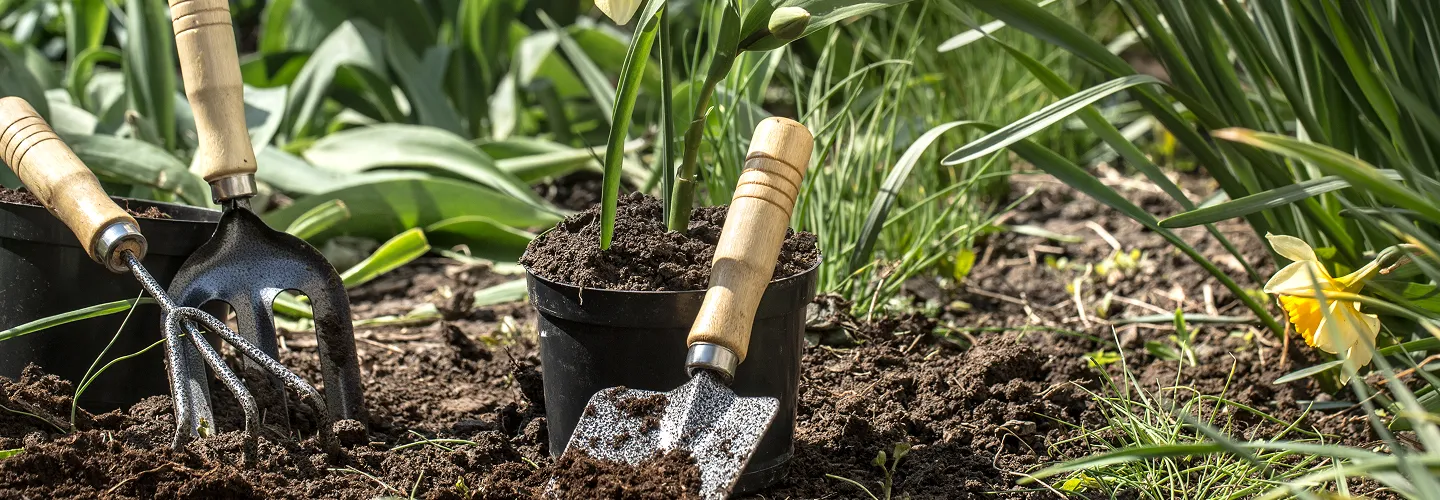
Villa Rica Weeding Services
Choose our weeding services for a healthier, more beautiful landscape—our experienced team removes unwanted growth efficiently, ensuring your plants thrive and your yard stays immaculate all season long.
Get a Free QuoteOur Villa Rica Landscaping & Yard Care Services
When to Schedule Weeding in Villa Rica, Georgia – Seasonal Guide
In Villa Rica, Georgia, the best times to schedule weeding are closely tied to our region’s unique climate and landscape features. Early spring and late fall are generally optimal, as these periods align with the local frost dates and the natural growth cycles of common weeds. For neighborhoods near Mirror Lake or along the shaded streets of Downtown Villa Rica, timing is especially important due to varying sun exposure and soil moisture levels.
Local environmental factors such as high summer humidity, occasional drought risk, and the clay-heavy soils typical of the area all play a role in determining when weeding will be most effective. Homeowners in subdivisions like Fairfield or near the Clinton Nature Preserve should also consider how tree canopy density and terrain affect weed growth. For more information on local environmental guidelines, visit the Sudbury municipal site.
Local Factors to Consider for Weeding in Villa Rica
- Tree density and shade coverage
- Soil type (clay, loam, or sandy soils)
- Seasonal precipitation and drought risk
- Frost dates and temperature fluctuations
- Terrain and slope of your property
- Municipal restrictions or neighborhood association guidelines
Benefits of Weeding in Villa Rica
Enhanced Curb Appeal
Healthier Plant Growth
Reduced Pest Infestation
Improved Soil Quality
Professional and Reliable Service
Time and Effort Savings

Villa Rica Weeding Types

Hand Weeding
-
Mechanical Weeding
-
Mulching for Weed Control
-
Pre-Emergent Herbicide Application
-
Post-Emergent Herbicide Application
-
Flame Weeding
-
Organic Weed Management
Our Weeding Process
Site Evaluation
Weed Identification
Targeted Removal
Soil Treatment
Final Inspection
Why Choose Villa Rica Landscape Services
-
Villa Rica Homeowners Trust Us
-
Expert Lawn Maintenance
-
Reliable Scheduling
-
Competitive Pricing
-
Professional Team
-
Satisfaction Guarantee
-
Personalized Service
Weeding Timing and Weed Pressure in Villa Rica's Piedmont Climate
Villa Rica, Georgia, falls within USDA Hardiness Zone 7b, situated in the Piedmont region where warm, humid summers and mild winters create persistent weed pressure across residential and commercial properties. The growing season typically extends from March through October, with peak weed germination occurring in two primary windows:
- Spring flush (March–May): Cool-season weeds such as henbit, chickweed, and annual bluegrass emerge as soil temperatures rise above 50°F.
- Summer flush (June–August): Warm-season weeds including crabgrass, nutsedge, and broadleaf spurge proliferate rapidly in heat and humidity.
- Fall re-emergence (September–October): Winter annuals begin germinating as temperatures drop below 70°F.
Effective weeding in Villa Rica requires timing removal before seed set, particularly for prolific species like crabgrass, which can produce up to 150,000 seeds per plant. UGA Cooperative Extension recommends hand-pulling or shallow cultivation during moist soil conditions to extract root systems intact, reducing re-establishment rates in the region's clay-dominant soils.
Villa Rica's Red Clay Soils and Weed Root Extraction Challenges
According to the USDA Web Soil Survey, soils within Villa Rica's city limits are predominantly Cecil and Appling series — Piedmont Ultisols characterized by red clay subsoils, moderate to poor drainage in low-lying areas, and surface pH typically ranging from 5.5 to 6.2. These soil conditions directly affect weeding practices in several important ways:
- Root penetration: Compacted red clay allows deep taproot development in perennial weeds such as dandelion and dock, requiring full root extraction to prevent regrowth.
- Soil moisture variability: Clay soils retain moisture after rainfall, creating a narrow window of 24–48 hours post-rain when soil is workable enough for effective hand-weeding without compaction damage.
- Cultivation depth: Shallow cultivation (no deeper than 1–2 inches) is recommended to avoid bringing dormant weed seeds from lower soil layers to the surface.
Properties on sloped lots or near drainage swales may also exhibit compacted fill soils from prior grading, which further restricts root removal. Residents should assess soil conditions before selecting mechanical versus manual weeding methods.
Protecting Villa Rica Watershed Corridors During Weed Control Operations
Villa Rica's Watershed Protection program oversees stormwater quality and erosion control across the city's drainage network, which includes tributaries flowing toward the Tallapoosa River basin. Weeding operations near drainage ditches, detention ponds, creek banks, and stormwater inlets require particular care to avoid destabilizing vegetated buffers and introducing sediment or herbicide residues into protected waterways.
Key compliance considerations include:
- Avoid bare-soil exposure exceeding 24 hours on slopes adjacent to drainage features.
- Do not apply herbicide-based weed control products within established buffer zones near streams or wetlands without verifying local setback requirements.
- Removed weed material should be bagged or contained before transport to prevent seed dispersal near water features.
- The Georgia EPD Watershed Protection Branch provides guidance on erosion and sediment control standards applicable to land disturbance near water resources.
Villa Rica Watershed Protection
112 W. Bankhead Highway, Villa Rica, GA 30180
Official Website: Villa Rica Watershed Protection
Villa Rica Code Enforcement Standards for Nuisance Vegetation and Overgrowth
Villa Rica's Code Enforcement division actively monitors residential and commercial properties for violations related to overgrown vegetation, nuisance weeds, and unmaintained lots. Property owners should be aware of the following standards to remain in compliance:
- Grass and weeds on improved lots are generally required to be maintained below a threshold height; overgrowth violations are among the most commonly cited nuisance conditions in Georgia municipalities.
- Unimproved or vacant lots within city limits are subject to the same nuisance vegetation standards as occupied properties.
- Violations may result in written notice, re-inspection within a specified timeframe (typically 10–15 days), and potential civil penalties or city-contracted abatement with cost recovery if not remediated.
- Weeds encroaching on public sidewalks, rights-of-way, or adjacent properties may trigger separate enforcement actions.
Property managers overseeing multiple parcels should establish a documented weeding schedule to demonstrate proactive maintenance. Complaints from neighboring properties can initiate enforcement review independent of routine inspections.
Villa Rica Code Enforcement
112 W. Bankhead Highway, Villa Rica, GA 30180
Official Website: Villa Rica Code Enforcement
Georgia Pesticide Licensing Requirements for Professional Herbicide Applications
When weeding services involve the application of herbicides — including pre-emergent or post-emergent chemical treatments — Georgia law requires that applicators hold appropriate licensing under the Georgia Pesticide Use and Application Act of 1976. The Georgia Department of Agriculture - Licensing, Certification and Employee Registration administers this program. Key requirements include:
- Commercial pesticide applicators must hold a valid Georgia Pesticide Applicator License in the appropriate category (e.g., Ornamental and Turf).
- Unlicensed individuals may not apply restricted-use pesticides for hire under any circumstances.
- Licensed applicators must maintain application records including product name, EPA registration number, application rate, date, and target site.
- Herbicide labels are legally binding documents; applications must conform strictly to label directions regarding rates, buffers, and site restrictions.
Property owners hiring weeding contractors should request proof of current Georgia pesticide licensure before authorizing any chemical weed control treatment on their property.
Georgia Department of Agriculture – Pesticide Division
19 Martin Luther King Jr. Drive SW, Atlanta, GA 30334
Phone: (404) 656-4958
Official Website: Georgia Department of Agriculture - Agricultural Pest Control
What Neighborhoods Do We Serve Throughout Villa Rica, GA?
Weeding service needs vary considerably across Villa Rica's neighborhoods based on soil conditions, lot characteristics, drainage patterns, and proximity to natural features.
- Historic Downtown Villa Rica: Older residential lots with established landscaping, compacted soils, and mature tree canopy that create shaded conditions favoring shade-tolerant weeds such as wild violet and ground ivy.
- Mirror Lake: A large planned community with HOA-maintained common areas and residential lots adjacent to the Mirror Lake reservoir; proximity to water features requires careful herbicide management near shoreline buffers.
- Westgate Subdivision: Newer development with fill soils and open sun exposure, supporting aggressive warm-season weed pressure including crabgrass and goosegrass throughout summer months.
- Villas at Mirror Lake: Mixed residential lots with varying drainage characteristics; low-lying areas retain moisture and support nutsedge and other sedge-family weeds resistant to standard broadleaf treatments.
- Creekside and Tributary-Adjacent Properties: Properties near unnamed tributaries of the Tallapoosa River watershed require buffer-conscious weeding practices and avoidance of bare-soil disturbance near drainage corridors.
- Commercial Corridor along Hwy 78: High-visibility frontage properties subject to code enforcement scrutiny; regular weeding of parking lot edges, curb lines, and landscape beds is essential for compliance.