
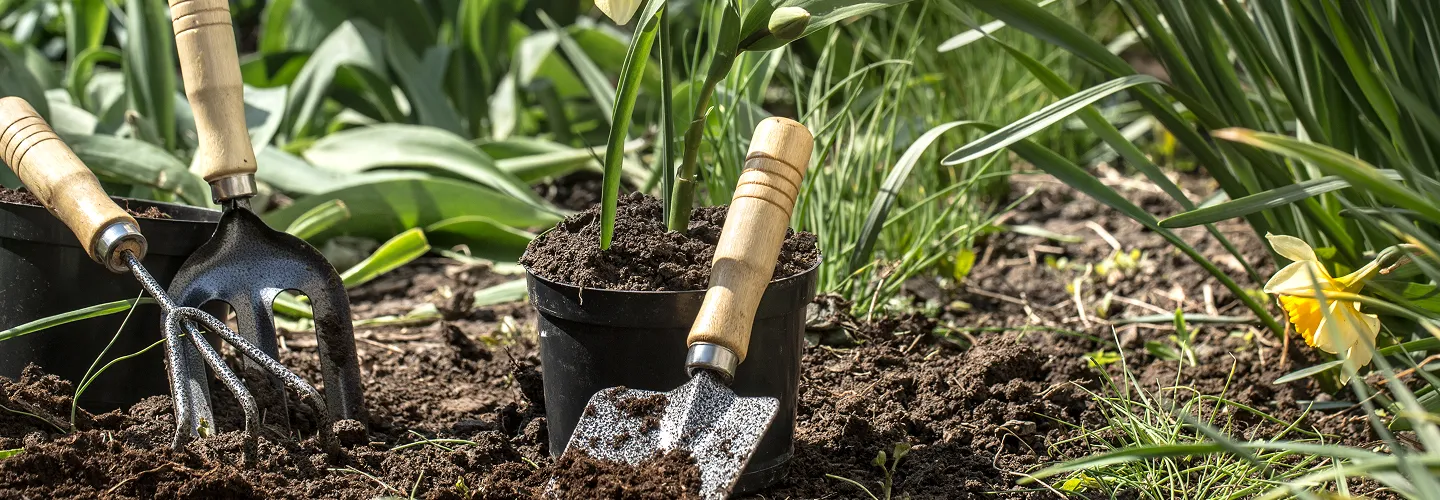
Villa Rica Lawn Renovation Services
Choose our expert lawn renovation services for a lush, healthy yard that boosts your home's value and creates a welcoming outdoor space your family will love.
Get a Free QuoteOur Villa Rica Landscaping & Yard Care Services
When to Schedule Lawn Renovation in Villa Rica, Georgia – Seasonal Guide
In Villa Rica, Georgia, timing your lawn renovation is crucial for achieving a lush, healthy yard that thrives year-round. The region’s humid subtropical climate, with its warm summers and mild winters, means that late spring and early fall are generally the best periods for major lawn work. Renovating during these windows allows new grass to establish before the intense summer heat or potential winter frosts. Neighborhoods near Mirror Lake and the historic downtown area often experience microclimates due to varying shade from mature trees and differences in soil composition, making it important to assess your specific property conditions.
Local environmental factors such as the average last frost date in early April, periods of summer drought, and the prevalence of clay-heavy soils all play a role in determining the optimal renovation schedule. Homeowners in areas like Fairfield Plantation should also consider the impact of shade coverage from dense tree canopies and the risk of soil compaction on sloped lots. For more information on local regulations and best practices, consult resources like the Sudbury municipal site.
Local Factors to Consider for Lawn Renovation in Villa Rica
- Tree density and shade coverage, especially in established neighborhoods
- Soil type (clay, loam, or sandy soils) and drainage characteristics
- Terrain and slope, which affect water runoff and soil erosion
- Seasonal precipitation patterns and drought risk
- Municipal restrictions or watering schedules
- Proximity to landmarks such as Mirror Lake or the Silver Comet Trail, which may influence microclimates
Benefits of Lawn Renovation in Villa Rica
Enhanced Curb Appeal
Improved Soil Health
Weed and Pest Reduction
Thicker, Greener Grass
Increased Property Value
Customized Lawn Solutions

Villa Rica Lawn Renovation Types

Sod Installation
-
Overseeding
-
Aeration and Topdressing
-
Soil Amendment
-
Weed and Pest Control
-
Grading and Drainage Solutions
-
Complete Lawn Replacement
Our Lawn Renovation Process
Site Evaluation
Soil Preparation
Seeding or Sodding
Watering and Fertilization
Ongoing Maintenance
Why Choose Villa Rica Landscape Services
-
Villa Rica Homeowners Trust Us
-
Expert Lawn Maintenance
-
Reliable Scheduling
-
Competitive Pricing
-
Professional Team
-
Satisfaction Guarantee
-
Personalized Service
Villa Rica's Piedmont Red Clay Soils and Lawn Renovation Timing
Villa Rica sits within Georgia's Piedmont region, where the predominant soils are Cecil and Appling series — dense, red clay-based Ultisols with naturally acidic pH levels typically ranging from 5.0 to 6.0. These soils compact readily under foot and equipment traffic, severely limiting root penetration and water infiltration. Before any lawn renovation work begins, property owners should obtain a soil test through UGA Cooperative Extension to determine pH, organic matter content, and nutrient deficiencies. Lime applications to raise pH toward the 6.0–6.5 range optimal for warm-season turf should be completed 60–90 days before seeding or sodding. According to the USDA Web Soil Survey, many Villa Rica lots also contain urban fill soils in newer subdivisions, which may have inconsistent drainage and compaction profiles requiring deep core aeration — typically 3 to 4 inches — prior to overseeding or sod installation.
Optimal Seeding and Sod Installation Windows for Villa Rica Lawns
Villa Rica falls within USDA Hardiness Zone 7b, with warm, humid summers and mild winters that favor warm-season turf grasses such as Bermudagrass, Zoysiagrass, and Centipedegrass. Renovation timing is critical for successful establishment:
- Bermudagrass seeding: Late April through June, when soil temperatures consistently exceed 65°F
- Zoysiagrass sod: May through August for best root establishment before fall dormancy
- Centipedegrass seeding: Mid-May through early July; avoid seeding after July 15 to allow adequate establishment before first frost
- Overseeding with Tall Fescue (shaded or transitional areas): Mid-September through October, when daytime temperatures drop below 75°F
The National Weather Service Peachtree City forecast office provides local temperature and rainfall data useful for timing renovation activities. Avoid sod installation during drought stress periods without a confirmed irrigation plan, as Villa Rica's clay soils can crack and shed water during dry spells, preventing root contact.
Protecting Villa Rica Watershed Areas During Lawn Renovation Work
Lawn renovation activities — including soil disturbance, fertilizer application, and herbicide use — carry significant runoff risk in Villa Rica, where stormwater drains to local tributaries of the Tallapoosa River watershed. The Villa Rica Watershed Protection program administers local stormwater and water quality compliance, and property owners undertaking renovation projects that disturb more than one acre of soil may be subject to erosion and sediment control requirements under Georgia EPD's NPDES Construction General Permit. Key precautions include:
- Maintain a minimum 25-foot undisturbed buffer from any stream bank or drainage channel during soil preparation
- Apply starter fertilizers only after turf is established, not to bare disturbed soil
- Use silt fencing or erosion blankets on slopes greater than 3:1 during the establishment period
- Avoid applying pre-emergent herbicides within 10 feet of storm drain inlets
The Georgia EPD Watershed Protection Branch provides guidance on erosion control standards applicable to residential and commercial renovation projects statewide.
Villa Rica Watershed Protection
571 W. Bankhead Highway, Villa Rica, GA 30180
Phone: (770) 459-3421
Official Website: Villa Rica Watershed Protection
Villa Rica Code Enforcement Standards for Turf and Vegetation Maintenance
During and after lawn renovation, property owners must remain in compliance with Villa Rica's municipal code standards governing vegetation height, bare soil exposure, and property appearance. Villa Rica Code Enforcement investigates complaints related to overgrown vegetation, exposed soil, and nuisance conditions that may arise during the renovation transition period. Practical compliance guidance includes:
- Bare soil areas resulting from sod removal or herbicide application should be stabilized with straw mulch or erosion blanket within 7 days to prevent code violations and runoff
- Grass height ordinances typically prohibit vegetation exceeding 12 inches on maintained residential lots; confirm current thresholds with the department
- Renovation debris including dead sod, thatch, and soil cores should be removed from the right-of-way promptly and not left to block storm drains
- Temporary signage or barriers used during renovation must not obstruct sidewalk or street visibility
Villa Rica Code Enforcement
571 W. Bankhead Highway, Villa Rica, GA 30180
Phone: (770) 459-3421
Official Website: Villa Rica Code Enforcement
Georgia Fertilizer Standards Applicable to Villa Rica Lawn Renovation Projects
Post-renovation fertilization is a critical phase of turf establishment, and professional applicators operating in Villa Rica must comply with the Georgia Fertilizer Act of 1997, which governs labeling, composition, and registration of fertilizer products sold and applied in the state. The Georgia Department of Agriculture - Fertilizer program oversees compliance and product registration. For newly renovated Bermudagrass or Zoysia lawns in Villa Rica's clay-based soils, UGA Extension recommends:
- Apply a starter fertilizer with a higher phosphorus ratio (e.g., 10-20-10) at seeding or sodding to support root development
- Delay nitrogen-heavy applications until turf has achieved at least 50% coverage
- Split nitrogen applications into 2–3 smaller doses during the growing season rather than single heavy applications, which increase runoff risk on Villa Rica's compacted clay soils
- Conduct a follow-up soil test 6–12 months after renovation to calibrate ongoing fertility programs
Applicators using restricted-use pesticides in conjunction with renovation must hold a valid license under the Georgia Department of Agriculture - Licensing, Certification and Employee Registration program.
What Neighborhoods Do We Serve Throughout Villa Rica, GA?
- Downtown Villa Rica and Historic Core: Older residential lots with established trees, compacted native clay soils, and limited irrigation infrastructure; renovation projects here often require significant soil amendment and careful debris management near mature root zones.
- Mirror Lake: A large master-planned community with HOA-maintained common areas, varied lot grading, and detention pond proximity; turf renovation near pond edges requires strict runoff precautions and buffer awareness.
- Tara Club Estates: Established subdivision with mature Bermudagrass lawns subject to thatch accumulation; renovation typically involves dethatching and core aeration before overseeding or resodding.
- Villas at Mirror Lake: Newer construction with urban fill soils and variable drainage; sod establishment may require grading corrections and soil amendment prior to installation.
- Westgate Subdivision: Wooded lot edges create shade pressure limiting warm-season turf performance; renovation plans should account for shade-tolerant species selection or bed conversion in heavily canopied areas.
- Carrollton Highway Corridor Neighborhoods: Properties along major arterials may have right-of-way maintenance obligations; confirm frontage responsibilities with Villa Rica Public Works before beginning renovation near road edges.